
 Support
 Sign In
 Cart
Cart


Drawer slides—those humble rails that let drawers glide in and out—are a core piece of hardware for cabinets, furniture, and just about any storage setup with moving drawers. If you’ve ever wrestled with a sticky, sagging drawer, you know how much the right slides matter. It’s not just about opening and closing; it’s about longevity, feel, and, frankly, whether you’ll want to use that cabinet again next week.
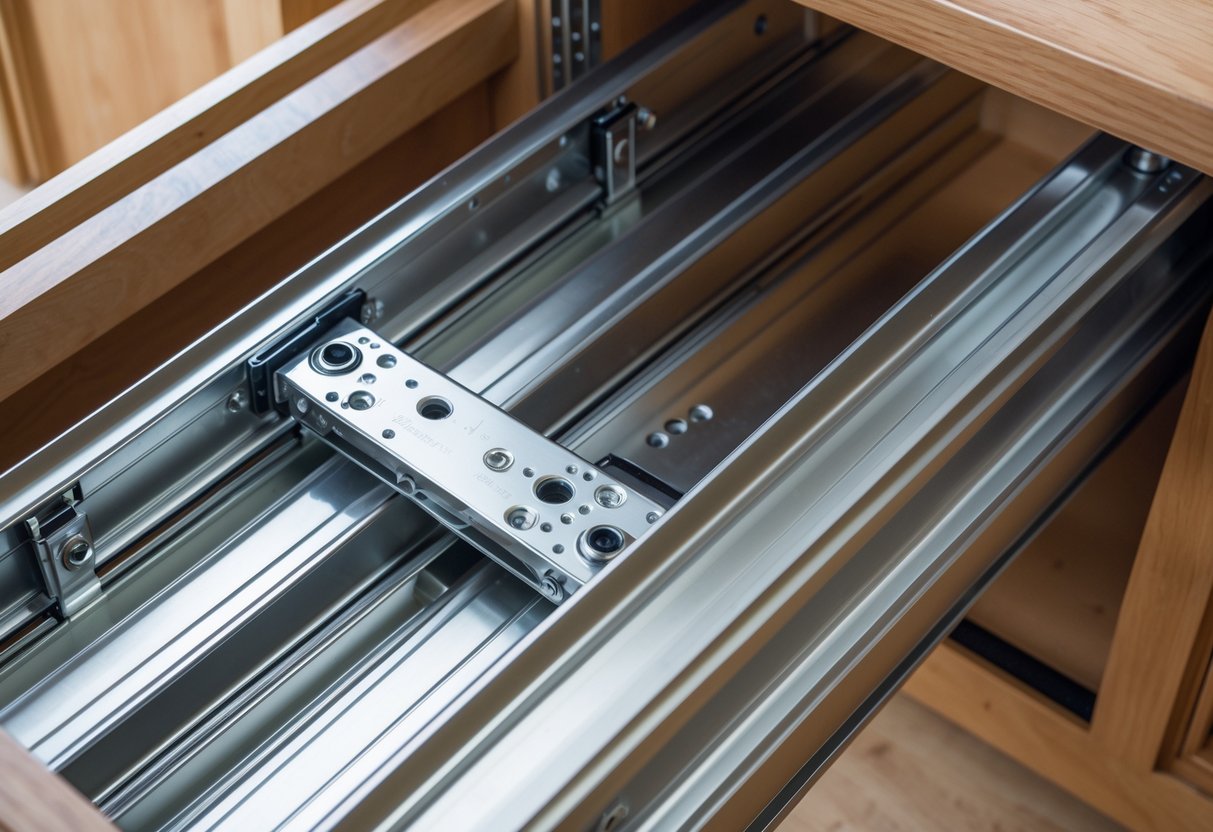
Let’s break down the core types of drawer slides—side mount, undermount, center mount, and full metal drawer systems. Each has its quirks, and matching the right slide to your project is a bit of an art, especially if you’re juggling specs, cost, and user experience. Whether you’re sourcing for a run of kitchen cabinets or just need a couple for a custom storage unit, it pays to know what’s out there.
This guide covers what to weigh up when choosing drawer slides—think weight ratings, extension, mounting, and the little details that can make or break a project. There’s also a quick walkthrough on installation, so you can sidestep those rookie mistakes that seem to haunt every first-timer.
Types of Drawer Slides
Drawer slides generally come in three flavors: side mount, undermount, and center mount. Each has its own edge depending on your build, budget, and what you actually want out of the drawer.
Side Mount Drawer Slides
Side mounts run along the sides of the drawer and cabinet. They’re the go-to for most furniture and cabinet builds for a reason.
If you’re after something that’s easy to swap out or install, these are a safe bet. Most use ball bearing mechanisms—tiny bearings inside metal tracks that make for a surprisingly smooth action, even under a heavy load. You’ll find some rated for 100 pounds or more, which is handy if you’re planning on loading up those drawers with tools or files.
Pros:
- Full extension is pretty much standard
- Lots of lengths, so you can usually find a match
- Soft-close and self-close options are everywhere
- Price is reasonable, especially in bulk
- They last—assuming you don’t cheap out
Downside? They’re visible when the drawer’s open, which might bug you if you’re after that seamless look. And quality really does matter; bargain-bin slides tend to rattle or stick before you know it. You’ll also need a clean 1/2-inch gap on both sides of the drawer for these to fit right.
Undermount Drawer Slides
With undermount slides, everything’s tucked out of sight—they attach to the bottom of the drawer. This is the high-end option, no question.
Undermounts are all about that effortless, silent close. Full extension and soft-close are pretty much baked in. If you’re spec’ing for a modern kitchen or high-end office, these are what clients expect (and what they’ll pay for).
But there’s a catch: installation. You need to build the drawer box to tight tolerances—width, bottom thickness, the whole bit. If you’re retrofitting or working with older cabinets, these can be a nightmare. For new builds, though, they’re hard to beat. Once they’re in, they don’t need much fiddling, and they can handle a fair bit of weight. The price tag is higher, but the daily “wow, that’s smooth” factor is real.
Center Mount Drawer Slides
Center mounts use a single slide right down the drawer’s belly. You’ll spot these in plenty of budget dressers and mass-market furniture.
They’re cheap and hidden, which is why manufacturers love them. One slide means less material, less labor, and, well, less cost. But don’t expect miracles: you usually get only three-quarters extension, so the back of the drawer is a black hole, and they aren’t great for heavy loads or keeping a wide drawer stable.
If you’re replacing slides in a piece that already uses a center mount, go for it. Otherwise, retrofitting side mounts is tricky because the drawers usually aren’t built with thick enough sides or the right clearances. For anything new, side or bottom mounts are a smarter move unless you’re really scraping pennies.
Choosing and Installing Drawer Slides
Picking the right slides isn’t just about grabbing whatever’s on sale. You’ve got to match the load rating to what’s actually going in the drawer, double-check compatibility with your boxes, and get your install measurements dead-on. Ball bearing slides are usually the workhorse, but only if you spec and mount them right.
Determining Weight Capacity and Application
Slide weight ratings aren’t just marketing fluff—they matter. Light-duty slides (up to 75 pounds) are fine for silverware and office junk. Medium-duty (100-150 pounds) handles bigger kitchen drawers or files.
Heavy-duty slides are in a league of their own—200 pounds up to 1,300 for industrial or shop use. When I’m spec’ing slides, I’ll weigh a loaded drawer and pad the number by 20% just to be safe. No one ever complains about a drawer that’s too sturdy.
Quick Reference:
| Application Type | Weight Range | Common Uses |
|---|---|---|
| Light-duty | Up to 75 lbs | Kitchen drawers, desk drawers |
| Medium-duty | 100-150 lbs | Large kitchen storage, filing cabinets |
| Heavy-duty | 150+ lbs | Tool chests, commercial equipment |
Extension is another biggie. Full-extension slides let you actually reach the back of a deep drawer. Partial extension (usually 3/4) is fine for shallow drawers, but I rarely spec them for anything that needs real access.
Compatibility with Drawer Boxes
Side-mount slides need a consistent 1/2-inch gap on both sides. Measure the cabinet opening, knock off an inch, and that’s your drawer width. Sounds basic, but it’s easy to mess up when you’re tired or in a rush.
Undermounts are fussier. They mount underneath, so you need a beefier drawer bottom and have to follow the manufacturer’s specs for width and height. If you’re not building the drawers yourself, double-check the boxes or you’ll be in for a headache later.
Face frame cabinets throw another wrench in—slides need to be offset from the frame, so you’ll need brackets or spacers. Frameless cabinets are simpler; you just screw the slides straight to the cabinet sides.
For ball bearing slides, always measure the cabinet depth and pick slides about 2 inches shorter. Gives you the wiggle room you need for mounting and keeps everything moving smooth.
Installation Tips for Smooth Operation
Getting your slides mounted level is non-negotiable if you want drawers that actually glide and don’t chew themselves up over time. Honestly, we’d never trust eyeballing—grab a decent level or, better yet, a laser, and mark out your holes. Always check both axes; it’s amazing how fast things can get out of whack. If you’re running a batch, cut a spacer to your finished height. It saves time and keeps everything consistent, especially when you’re juggling multiple boxes on a tight install schedule.
Cabinet members go in first. We’ll flush the rear mounting bracket up to the cabinet back—no gaps, no guesswork—then set the front. It’s worth sliding the mechanism a few times before you even think about attaching the drawer side. Catching alignment issues early is just good practice; nobody wants callbacks for sticky drawers.
For the drawer members, center them up on the box. Easiest way? Measure from the bottom edge and snap a pencil line. Most side-mounts want to sit about a half inch to an inch off the bottom, but always double-check your spec sheets. Some models, especially the heavy-duty stuff, have their own quirks.
Installation Sequence:
- Use your spacer to mark out where the cabinet members land
- Mount the cabinet slides and run them through their travel
- Attach drawer members at the same height you marked
- Pop the drawer onto the slides and check the fit
- Tweak as needed—if it’s binding, don’t force it, just realign
We always run the slides through their paces empty first, then add weight in stages. If there’s any drag or noise, something’s off and it’s not worth risking a warranty claim. Better to fix it now than deal with a return down the line.


