
 Support
 Sign In
 Cart
Cart


Direct fastening systems offer a cost-effective way to attach fixtures to concrete, steel, and masonry—no pre-drilling required. These specialized tools and fasteners team up to deliver quick, reliable connections for light-duty jobs, which honestly saves a ton of time on busy jobsites where every minute counts.
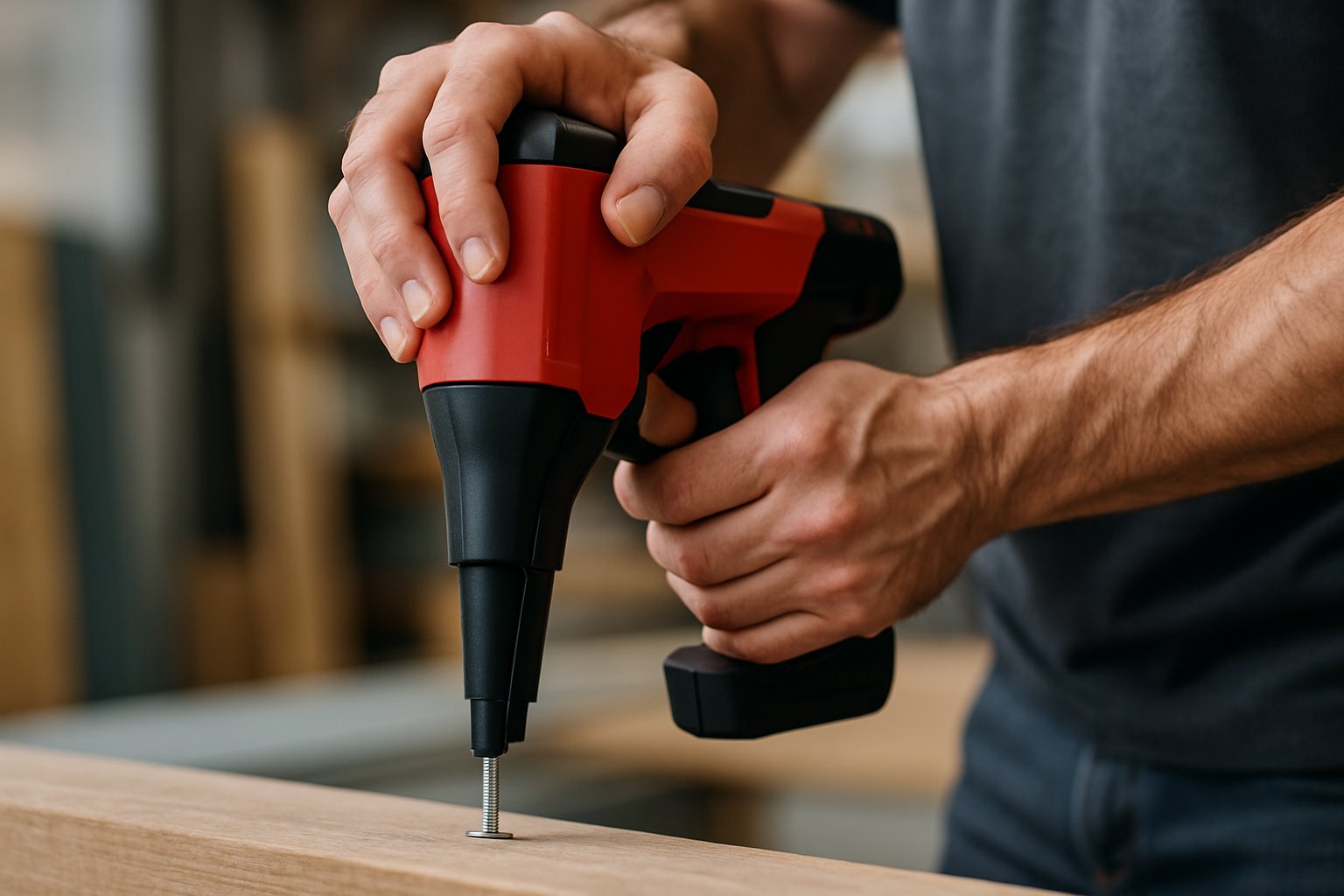
Direct fastening pops up everywhere—think drywall track, electrical fixtures, metal framing, you name it. The tech covers all sorts of systems: powder-actuated tools, gas-powered setups, and cordless options. Each has its own quirks, strengths, and ideal uses depending on what you’re working with.
Getting a handle on the right tools, fasteners, and safety stuff can totally change how you tackle fastening projects. There’s a whole range of direct fastening solutions out there, from basic hammer-drive systems to slick cordless nailers. Picking the right one? It’s a game-changer.
Overview of Direct Fastening
Direct fastening is kind of its own animal in construction tech. It lets you quickly attach stuff to concrete, steel, and other tough surfaces—again, no need for pre-drilling. These systems use powder-actuated, gas-actuated, or cordless tech to slam fasteners right into the base material at impressive speed and reliability.
Definition and Core Principles
At its core, direct fastening is a three-part dance: special fasteners, driving assemblies, and the installation tool. The trick here is skipping pre-drilled holes entirely by using controlled explosive charges or high-pressure mechanisms to punch through the base material.
Powder-actuated systems use small explosive cartridges (they look a bit like .22 blanks) to generate the force needed to drive pins and fasteners. Gas-actuated tools depend on compressed fuel cells that ignite for a combustion-driven punch. Cordless direct fastening is the new kid on the block, running on batteries instead of air hoses.
The main idea: blast a ton of force into a tiny area in just a blink. This lets hardened steel fasteners sink into concrete, steel, and masonry without wrecking the fastener or the thing you’re attaching to.
It all comes down to precise engineering. You want the fastener to sit just right—not too deep, not too shallow—so it holds strong. That’s why fastener design matters: hardened points, controlled expansion, the works.
Benefits of Direct Fastening
Speed is the big draw here. Direct fastening can be three to five times faster than the old drill-and-anchor routine. You’re looking at maybe two or three seconds per fastener, instead of a few minutes.
Labor cost drops because you’re getting more done, faster. On jobs with hundreds (sometimes thousands) of attachment points, the time savings are kind of a big deal. No more swapping between drilling, cleaning, and fastening tools.
Structural performance? Surprisingly solid. Direct-driven fasteners create tight, vibration-resistant connections with excellent shear and tension values. The installation process actually creates a mechanical lock between the fastener and the base material.
Versatility is another plus. These systems work with all sorts of base materials: standard and lightweight concrete, structural steel, even some masonry. You can tweak power settings and fastener types to fit the job.
Reliability comes from the consistent way these systems operate. Drilled anchors can be hit or miss, depending on how clean the hole is, but direct fastening is pretty repeatable if you follow the steps.
Applications in Construction and Industry
Structural steel attachment is probably where direct fastening shines brightest. It’s the go-to for securing metal decking, beam attachments, and structural connections in commercial work.
Concrete fastening covers things like furring strips, electrical conduits, plumbing, and HVAC. It works for both cast-in-place and precast concrete.
Industrial maintenance leans on direct fastening for mounting equipment, conveyor systems, and machinery. Factories use these systems for quick fixes and upgrades.
| Application Type | Common Fasteners | Typical Substrates |
|---|---|---|
| Metal Decking | Pins, Washers | Structural Steel |
| Electrical/Plumbing | Threaded Studs | Concrete, Masonry |
| Equipment Mounting | Heavy-duty Pins | Steel, Concrete |
There are also some specialty uses—rebar positioning, insulation attachment, safety barriers. It’s catching on in renewable energy, too, for solar panel and wind turbine foundations.
Direct Fastening Tools and Systems
These days, direct fastening solutions include powder-actuated tools with cartridge systems, cordless nailers for mobility (no hoses or cords), and gas-actuated setups for when you need consistent power on big jobs.
Powder-Actuated Tools Explained
Powder-actuated tools are basically the heavy hitters. They use controlled explosive cartridges to drive fasteners into concrete, steel, and masonry. You’ll usually see .22 caliber blanks or similar.
When you press the tool against the surface, the cartridge fires, and the fastener is launched into the material—super quick, super consistent.
Key parts:
- Firing pin
- Cartridge chamber
- Fastener guide
- Safety shield
These tools are best for deep penetration in dense stuff. They can handle temps from -10°F to 120°F, so they’re pretty versatile.
Safety-wise, you can’t fire them unless they’re pressed firmly against the work surface, so accidental discharges are rare.
Types of Fastening Tools
Cordless Direct Fastening Tools run on batteries—no cartridges, no air hoses. They’re awesome for overhead work and tight spots.
Gas-Actuated Systems mix fuel cells with battery power for a steady punch. They’re quieter than powder-actuated tools, which might be a relief if you’re working indoors.
Semi-Automatic Tools make you load each fastener by hand, but they fire automatically when you press them down. That alone speeds things up by about a third or more.
Fully Automatic Tools feed fasteners from a magazine or strip—great for high-volume work with less fatigue.
There are also track-mounted systems that guide the tool along a set path, which is handy for repetitive jobs like installing metal decking.
Comparison of Fastening Systems
| System Type | Power Source | Noise Level | Speed | Best Applications |
|---|---|---|---|---|
| Powder-Actuated | Cartridge | High | Fast | Dense concrete, steel |
| Gas-Actuated | Fuel cell + battery | Medium | Fast | General construction |
| Cordless | Battery only | Low | Medium | Overhead, confined spaces |
Penetration depth varies a lot. Powder-actuated tools can get up to 2.5 inches into hardened concrete.
Gas-actuated systems are steady but cap out at about 3-inch fasteners. They do better with standard-strength concrete.
Operating costs depend on what you’re burning through—powder systems need cartridges and fasteners, cordless tools just need battery juice.
Cordless tools are easier to maintain (fewer parts to clean or break). Powder-actuated ones need more TLC because of cartridge residue.
Common Fasteners and Accessories
Direct fastening systems rely on hardened fasteners driven into concrete, steel, and masonry. There’s a whole lineup: various nail types, specialty clips, and must-have accessories like powder loads for the driving force.
Nails, Pins, and Drive Fasteners
Concrete nails are the workhorses here. Hardened steel, designed to punch through concrete and masonry when fired from a powder-actuated tool.
Standard concrete nails run from a half-inch up to three inches. Shorter nails are good for thin materials, longer ones hold better in thick concrete.
Drive pins are for tougher jobs—pointed tips focus the force for hard concrete or when you’re working close to an edge.
Threaded studs give you a removable connection. One end’s threaded for nuts and washers, so you can take things apart if you need to.
Common shank diameters: .145, .157, and .300 inch. Bigger shanks hold better but need more power.
Knurled fasteners have a textured shank for extra grip—handy when vibration or side forces are an issue.
Specialized Clips and Supports
Insulation clips are for attaching foam boards to concrete walls or ceilings. Plastic, with a washer that spreads the load over the insulation.
Standard clips fit insulation from 1 to 6 inches thick. The nail goes through the clip and into the substrate.
Furring strip clips hold wood strips to concrete for drywall. Galvanized steel, sized for standard lumber, with the fastener anchoring straight into the concrete.
Electrical box supports let you mount outlet boxes right to concrete or steel. Adjustable brackets that fit standard boxes, so you can skip extra framing.
HVAC hangers handle ductwork and pipes from concrete ceilings. Heavy-duty, as long as you use the right fastener size.
Conduit clips snap over electrical conduit and attach to concrete with a single fastener.
Accessories and Propellants
Powder loads are the little cartridges that provide the punch. Color-coded for strength—yellow for light-duty, purple for heavy-duty (.22 to .27 caliber).
You match the load to the fastener and the base material. Too strong, and you risk blowing through; too weak, and the fastener won’t hold.
Strip loads are for magazine-fed tools—linked cartridges for rapid-fire work.
Safety gear is a must: eye protection, ear protection, gloves. These tools are loud and can throw debris.
Piston maintenance kits keep powder-actuated tools running smooth. Swap out pistons regularly to avoid misfires.
Fastener guards stop you from over-shooting in thin materials. They’re little plastic sleeves to control penetration depth.
Installation Considerations and Safety
Proper installation means paying attention to substrate compatibility, operator safety, and following the rules. Direct fastening systems need the right materials and procedures to work as promised.
Substrate Compatibility
Direct fastening works best with concrete, steel, and masonry—if you match the tool and fastener to the job. Concrete should be at least 2,500 psi for most installs.
Steel needs to be thick enough—usually a quarter inch or more for powder-actuated tools.
Always check the base material. Super-hard concrete (over 6,000 psi) can damage fasteners or mess with the tool.
Masonry can be tricky; block density and type matter. Hollow blocks need special fasteners, since holding power drops off fast.
Temperature’s a factor, too. Frozen concrete or steel below freezing can lead to unpredictable results and weak holds.
Safe Operation and Best Practices
Operating powder-actuated tools isn’t something to wing. Training and PPE (safety glasses, hearing protection, hard hats) are non-negotiable.
Before you start: check the tool, make sure fasteners are right for the job, and prep the surface. Clean surfaces help fasteners seat properly.
Pick the right fastener length—enough to go through the attachment and bite into the substrate, but not so long that you risk over-penetration.
Keep enough space between fasteners to avoid cracking the substrate. Standard spacing is usually 3 to 6 inches, but it depends on the load.
Always shoot perpendicular to the surface. Angled shots can weaken the hold or even cause failures.
Maintenance matters: clean and lube the tool regularly, and swap out worn parts. Damaged tools aren’t just annoying—they’re dangerous.
Standards and Regulations
OSHA regulations call for operator certification when using powder-actuated tools in commercial settings. The training usually covers how to run the tool, spot hazards, and follow safety procedures—honestly, it’s a lot to take in, but it matters.
ICC-ES evaluation reports lay out load values and installation details for specific fastening systems. We lean on these documents for anything structural, since they’re basically the go-to reference.
Building codes spell out things like minimum edge distances, how far apart fasteners should be, and substrate thickness limits. Depending on where you are, local amendments might add even more rules to the mix.
Quality control standards bring in pull-out testing and installation inspections. Random tests help make sure everything’s embedded right and holds as it should.
ANSI standards cover tool safety, fastener specs, and what makes someone qualified to operate the equipment. Sticking to these standards keeps installation quality consistent, no matter the project.


