
 Support
 Sign In
 Cart
Cart


Panel fasteners are pretty much the unsung heroes that keep panels, covers, and all sorts of structural bits locked down in industries everywhere. These specialized hardware solutions can be as basic as a clip or screw, or as complex as those clever captive systems made for very specific needs.
Panel fasteners are mainly used to keep things together in places like automotive interiors, electronics, construction, and machinery—basically anywhere you want panels to stay put but still need to get in for maintenance. You’ll spot them everywhere, from car dashboards and doors to server racks and big industrial control panels.
Knowing where and how panel fasteners get used helps us pick the right one for the job—maybe you need a quick-release for easy access, or something more permanent that shrugs off vibration or the weather. Let’s get into how different industries use these fasteners, and the little details that make a difference when you’re choosing and installing them.
Understanding Panel Fasteners and Their Core Uses
Panel fasteners are those specialized bits of hardware that keep panels, covers, and parts in place across a bunch of industries. Sometimes they’re meant to be permanent, sometimes you want to pop them off for regular maintenance—there’s a fastener for every scenario.
Role of Panel Fasteners in Assembly
Panel fasteners are the connection points that really hold assemblies together. You’ll find them keeping things solid in everything from car dashboards to electronics enclosures. Automotive builders use fasteners for door panels, trim, and even exterior bits. These have to put up with constant vibration and still stay tight. In electronics, fasteners keep sensitive parts safe inside their housings.
Some of their main jobs:
- Spreading out mechanical loads so panels don’t warp or crack
- Keeping components lined up just right
- Giving you access points for repairs or tweaks
- Making sure gaps and fit look clean and consistent
Machinery uses panel fasteners to keep covers and access doors secure, but still easy for techs to open up when something needs fixing.
Panel Fasteners in Removable and Permanent Applications
Permanent applications use fasteners that are in it for the long haul. Think press-fit systems and heavy screws—these go into walls, floors, countertops, and aren’t meant to come out unless you’re doing a major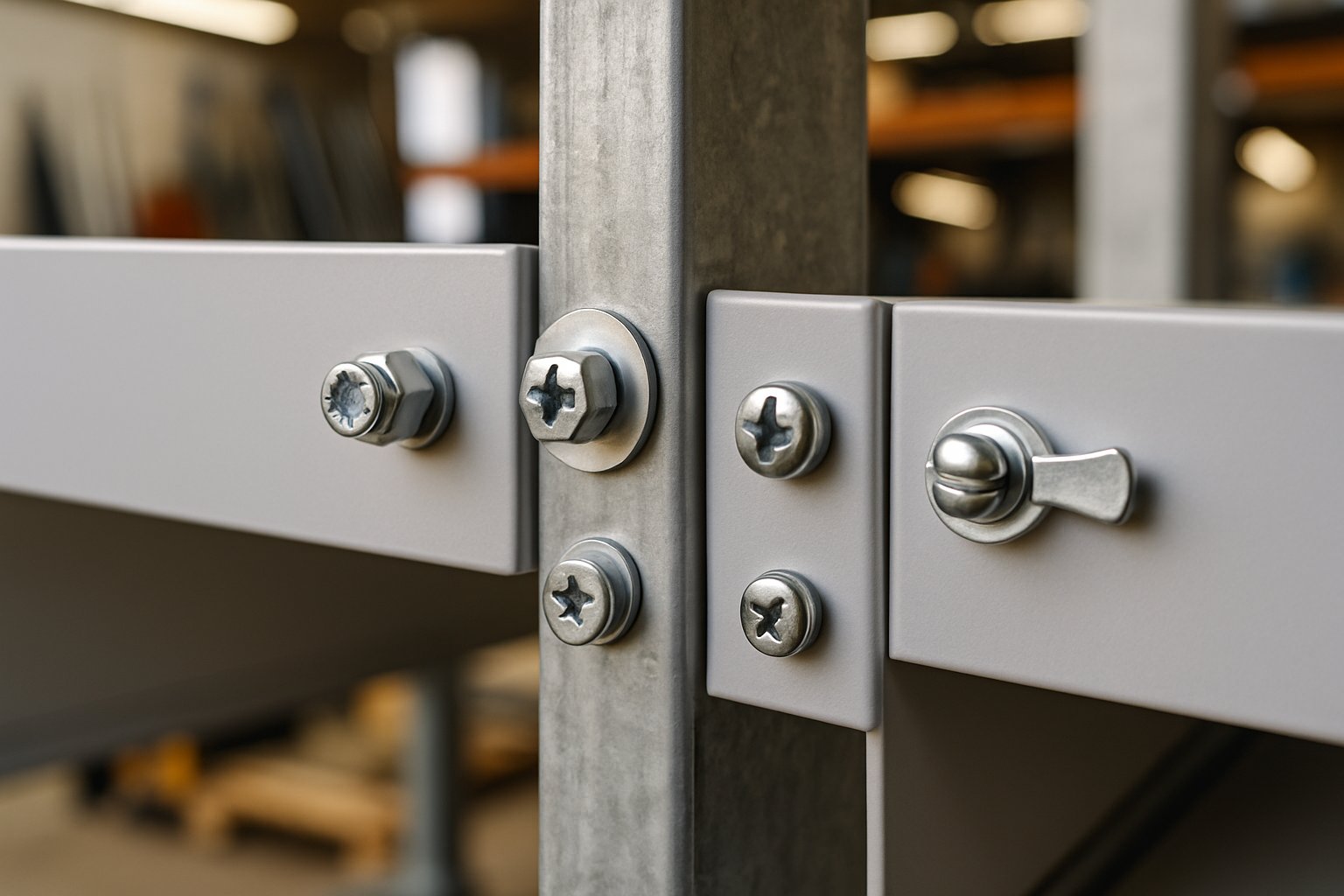 overhaul. Looks matter too, especially in furniture or architecture, so bonding fasteners are popular for a clean finish.
Removable applications are all about easy access. AVILOK structural fasteners, with their ratchet designs and quad lead threads, make it quick to pop things on or off. Series 3000 fasteners come with locking features for doors or panels that get swapped out often.
Press-fit systems are great when you want everything to line up perfectly, but still need to remove panels for maintenance.
Common Types and Mechanisms
Panel fasteners work in a few different ways, and the mechanism you pick really depends on what you’re building.
- Screw-type fasteners use threads to hang on tight. Panel screws are reliable and simple to install, though the thread style matters depending on what material you’re working with.
- Clip-based systems use spring tension or a snug fit to hold panels. They just snap in, and the material’s elasticity keeps them in place. Car interiors use these a lot for trim panels.
- Press-fit fasteners depend on a tight fit between the fastener and the hole. You need to be careful installing them so you don’t crush the core or damage the panel. Sandwich panels with structural needs are a good match here.
- Ratchet mechanisms lock in place but let you adjust things incrementally. They’re great under heavy vibration and still let you release the panel when you need to.
Panel Fasteners in Key Industries
Panel fasteners are everywhere—electronics, aerospace, automotive, industrial machinery—you name it. They make assembly easier and keep things secure, whether you need tool-free access or just a rock-solid connection.
Electronics and Electrical Equipment
Electronics are packed with panel fasteners. They hold circuit boards, access panels, and enclosures together. Quarter-turn fasteners are especially handy where you need to get inside often for maintenance.
These fasteners need to keep electromagnetic interference in check and stay tight, but also let techs work fast—nobody wants to dig for a special tool in the middle of a repair.
You’ll find them in:
- Server rack panels
- Control cabinet doors
- Equipment housings
- Instrument panels
Captive panel screws are a lifesaver when you don’t want to lose hardware during disassembly. They also help with vibration, so connections don’t shake loose.
A lot of electronics use thin panels, so fasteners need to grip well without pulling through. Panel nuts help spread out the load so nothing gets damaged.
Aerospace and Defense Uses
Aerospace is a tough environment—fasteners have to survive temperature swings, vibration, and still be easy to open for checks or repairs. You’ll see panel fasteners in aircraft interiors, avionics boxes, and access doors all over the place.
Weight is always a big deal in aerospace, so panel fasteners are a lighter alternative to traditional bolts, but still strong enough to do the job.
They’ve got to be:
- Strong but lightweight
- Corrosion-resistant
- Stable in extreme temperatures
- Vibration-proof
In defense, quick access is critical. Quarter-turn fasteners let crews get to systems fast, but still lock down tight when needed. Material choice is everything up here. Titanium, stainless steel, and special alloys are common, all picked to meet strict aerospace standards.
Automotive and Transportation Applications
Automotive makers use panel fasteners in pretty much every part of a vehicle—interior trim, under the hood, body panels. These fasteners need to handle heat, cold, road vibration, and sometimes even chemicals. Captive fasteners in door panels and dashboards make assembly faster and more consistent, which is a win for quality control.
You’ll see them used for:
- Engine covers
- Interior trim
- Access panels
- Wire harnesses
Buses, trucks, and other big vehicles benefit from tool-free fasteners, since mechanics can get to parts quickly without digging through a toolbox. With cars getting lighter, fasteners have to work with plastics and composites. That means holding tight without cracking or stressing the material.
Industrial Machinery and Manufacturing
Manufacturing gear needs frequent access for cleaning, maintenance, and swapping out parts. Panel fasteners make it easy to pop off guards, covers, or panels without wasting time. Heavy machinery throws a lot of vibration and stress at fasteners. Quarter-turn types are popular because they hold strong but can be undone fast.
You’ll find them on:
- Machine guards
- Control boxes
- Conveyor covers
- Safety barriers
In food and pharma, fasteners need smooth surfaces and easy cleaning for hygiene. That’s a big factor in picking the right hardware. Industrial settings demand fasteners that can handle thousands of cycles without wearing out. Good panel fasteners keep their grip and work smoothly, even after a lot of use.
Specialized Applications and Installation Considerations
Panel fasteners aren’t one-size-fits-all. You have to think about what you’re building—do you need quick access, are you dealing with harsh conditions, or working with tricky materials? The right material and design make all the difference for how long your fastener lasts.
Quick-Release and Tool-Free Fastening
When you need to get in and out a lot, quick-release fasteners are a real time-saver. No tools, no fuss.
AVILOK structural fasteners use a ratchet and quad lead threads for super-fast installation. Their locking design keeps things tight, even if the equipment vibrates a lot.
Quarter-turn fasteners are another favorite for tool-free jobs. Just twist 90 degrees to lock or unlock. Couldn’t be easier, especially in electronics or access panels.
Why bother?
- Faster maintenance
- No lost screws
- Consistent torque
- Less hassle for workers
Cam-lever fasteners are nice if you want to see at a glance that things are locked down. The lever tells you right away if it’s secure, which is reassuring for safety-critical spots.
High-Vibration and Harsh Environment Use
If your equipment vibrates a lot, you need fasteners that won’t work loose. Regular screws just don’t cut it under those conditions.
Series 3000 fasteners come with special locking features for structural use. They stay put even with constant shaking.
Thread-locking compounds can help too—just put some on the threads before you screw things together, and it’ll keep them from backing out.
Stuff to watch for:
- Temperature swings—things expand and contract
- Chemicals—you need corrosion resistance
- Moisture—good seals matter
- UV light—plastics can break down
Stainless steel and aluminum are usually better than plain steel for resisting corrosion. You’ve got to match the fastener material to whatever your environment throws at it.
Material and Size Selection Factors
Getting the material right for both fasteners and panels is key—nobody wants galvanic corrosion or a sloppy fit. We try to match up thermal expansion rates too, just to keep things from getting stressed out when temperatures swing.
Panel thickness has a big say in how long your fastener should be. If it barely grabs, you’ll lose strength; go too long and you might run into stuff inside the panel. There’s a sweet spot, but it’s not always obvious at first glance.
These days, a lot of panel rivet systems use aluminum sleeves paired with special screws. Honestly, these hybrids usually outshine the old-school, single-material fasteners.
A few things we always look at:
- What the panel’s actually made of
- How much load it needs to handle
- Whether the holes are within spec
- If you can even get your tools in there
Thread pitch can be a bit of a balancing act. Fine threads grip better in thin stuff, but coarse threads are just quicker to install when you’re dealing with thick panels. Head style? That’s both about looks and practicality. Flush-mount heads keep things sleek and smooth, but sometimes it’s just easier to go with a raised head if you know you’ll need to take it out down the line.


