
 Support
 Sign In
 Cart
Cart


In 2025, U.S. manufacturers are dealing with some hefty challenges—everything from workforce shortages and supply chain headaches to rapid technological advancements and a maze of evolving global trade policies. For leaders in the industry, keeping up with all this change (and trying to stay ahead) is no small feat.
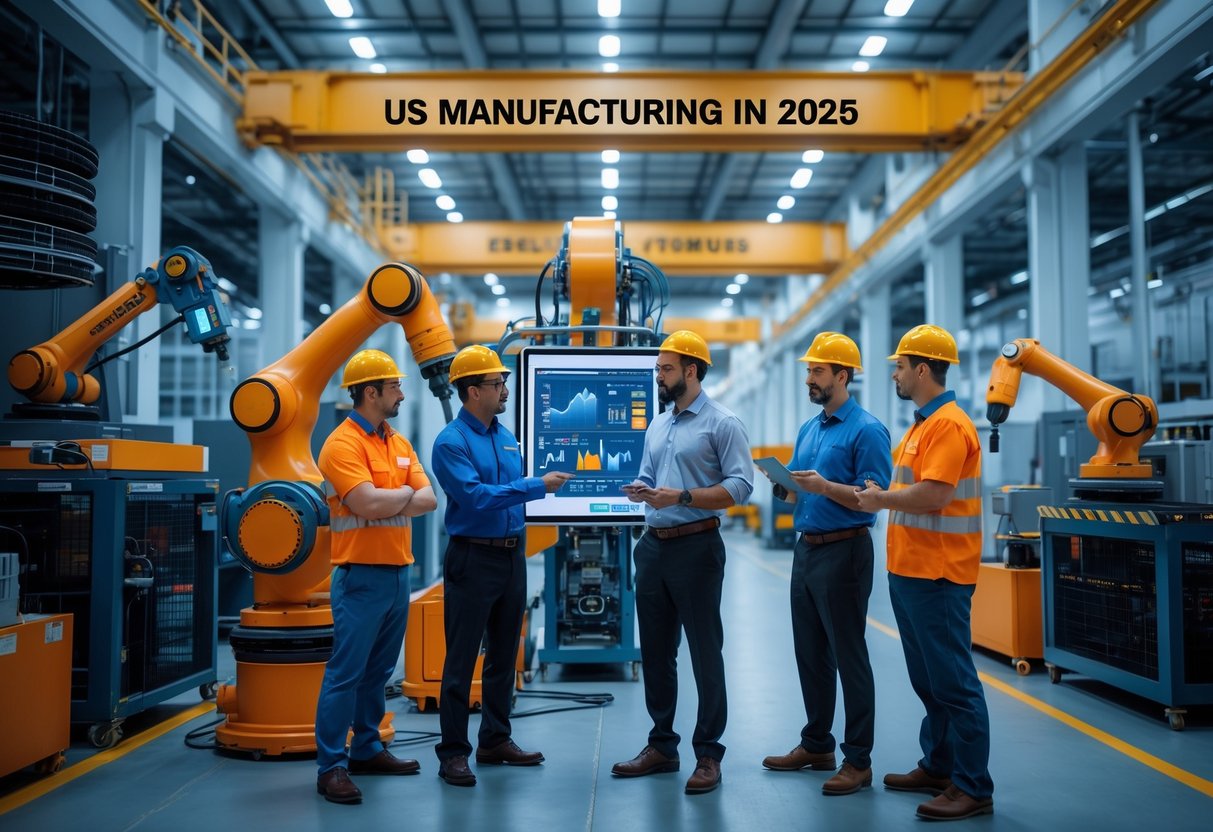
It’s a bit of a whirlwind—automation, digitalization, and sustainability are all moving targets, and it feels like there’s hardly time to catch your breath. Then you throw in economic curveballs like tariffs, new regulations, and unpredictable demand, and it’s a lot to juggle.
If you’re trying to make sense of what’s really shaping U.S. manufacturing this year, you’re not alone. Let’s dig into what’s actually making waves, and maybe find a few ways to deal with it all.
Critical Challenges in U.S. Manufacturing for 2025
Honestly, the list of obstacles for 2025 is long and not exactly shrinking. We’re still wrestling with supply chain instability, rising operating costs, a stubborn workforce shortage, and a regulatory landscape that seems to change every time you blink.
Impact of Supply Chain Disruptions
Supply chain disruptions have pretty much become the new normal. Port congestion, global shipping delays, and a surprisingly fragile supplier base are making it tricky to get the materials we need. If you haven’t felt the pain of longer lead times or unreliable deliveries yet, well, you’re one of the lucky few.
Semiconductor shortages and wild swings in raw material prices have made production planning a guessing game. To deal with it, a lot of us are branching out—looking for new suppliers closer to home, or just keeping more inventory on hand than we’d like.
Visibility and agility are the name of the game now. Digital tools aren’t just nice to have; they’re kind of essential for keeping tabs on suppliers and spotting trouble before it hits.
Key challenges in 2025 include:
- Inconsistent material flow
- Higher transportation costs
- Greater cyber risks to logistics networks
It’s a mix of adopting better tech and just plain old risk management.
Rising Costs and Profitability Pressures
Costs are up across the board, and it’s really putting the squeeze on margins. Whether it’s steel, resin, shipping, or just keeping the lights on, prices have climbed—sometimes overnight. That makes it tough to set prices or even plan for the next quarter.
Passing costs along to customers is risky, but sometimes there’s no other choice. And with demand bouncing around, production schedules are harder to lock in.
Inflation’s not helping, either. Forecasting profits? Good luck. Most of us are doubling down on process improvement, automation, and anything that can trim the fat.
Key cost factors:
- Volatile material and energy prices
- Increased labor expenses
- Higher compliance and regulatory costs
It’s a daily grind to keep expenses under control and find new ways to stay profitable.
Navigating Workforce Shortages and Skills Gaps
The labor shortage? It’s real, and it’s biting. Experienced folks are retiring, and there just aren’t enough new faces with the right skills coming in to replace them.
So, workforce development is front and center. Companies are putting more into vocational training, apprenticeships, and teaching on the job—because, honestly, what choice do we have?
The tech gap is another hurdle. Bringing in automation and robotics sounds great, but you need people who can actually run and maintain that stuff.
Challenges include:
- Attracting younger workers to the sector
- Retaining and upskilling existing employees
- Bridging the gap between traditional manufacturing skills and digital expertise
It’ll take a mix of education, policy, and industry teamwork to get where we need to be.
Trade Policies, Tariffs, and Regulatory Uncertainty
Tariffs and trade rules are a moving target, and it’s making business planning a headache. New tariffs have pushed up the price of imported materials, and international logistics isn’t exactly getting easier.
Shifting trade agreements keep us on our toes, and regulatory updates (sometimes with almost zero warning) mean more compliance work and more costs.
There’s always something new—rules about product standards, sustainability, export controls. It all adds up and can slow things down.
Primary concerns for 2025:
- Tariff increases on key raw materials and components
- Regulatory differences across regions
- Ambiguity regarding future trade negotiations
Staying on top of policy changes and being proactive about compliance is just part of the job now.
Technology, Supply Chain Strategy, and Sustainability
Looking ahead, digital tech, fresh supply chain strategies, and a growing push for sustainability are shaping how we operate. Manufacturers are putting money and effort into tools, processes, and people that help us keep up, stay compliant, and manage risk in a world that’s anything but simple.
Digital Transformation, Automation, and Industry 4.0
Industry 4.0 isn’t just a buzzword anymore—it’s happening. AI, IoT, robotics, and advanced automation are popping up everywhere. Smart manufacturing systems are helping to boost efficiency, automate the boring stuff, and even do things like predictive maintenance.
Key technology trends include:
- Artificial Intelligence (AI): Not just for sci-fi—AI is making quality control and predictive analytics a lot smarter.
- Internet of Things (IoT): Gives real-time visibility into equipment, inventory, and logistics, which is honestly a game changer.
- Robotics and Automation: Cuts down on manual labor and takes over the repetitive or risky stuff.
Getting these tools in place means better data, faster decisions, and production lines that can actually adapt when things go sideways. The companies that jump in early are usually the ones seeing the real benefits.
Strategies for Supply Chain Resilience and Optimization
Supply chain headaches, worker shortages, tariffs, and world politics—yeah, it’s a lot. The move now is toward resilience and flexibility. Tech is a big part of that, especially for inventory management and supply chain optimization.
Key strategies we employ:
- Diversifying suppliers to avoid getting burned by one region or partner.
- Real-time inventory management—digital platforms help avoid those “out of stock” surprises.
- Building resilient supply chains by looking at nearshoring and having backup sources.
AI and analytics are helping forecast demand, spot bottlenecks, and keep logistics humming. It’s not perfect, but it’s a big step toward more reliable deliveries and stronger supplier ties.
Sustainability, ESG, and Future-Proofing Operations
Sustainability and ESG (Environmental, Social, and Governance) requirements just keep growing—sometimes it feels like there’s a new rule or expectation every other month. We’re tackling these changes by putting money and effort into energy efficiency, cutting down on waste, and testing out circular manufacturing models that actually make sense for us.
Key actions we take:
- We’re rolling out solutions to track and cut carbon emissions (no small feat, honestly).
- More of our operations are running on renewable energy these days.
- In procurement, we’re making a real push for recycling and responsible sourcing—even if it can be a pain to verify suppliers sometimes.
Regulatory incentives like tax credits do make it easier to justify upgrading facilities and equipment for greener production. Instead of just chasing compliance, we try to focus on resource efficiency and being upfront with our ESG reporting. It’s not just about checking boxes; it’s about keeping our reputation solid and making sure the business can actually weather whatever’s next.


